

[ad_1]

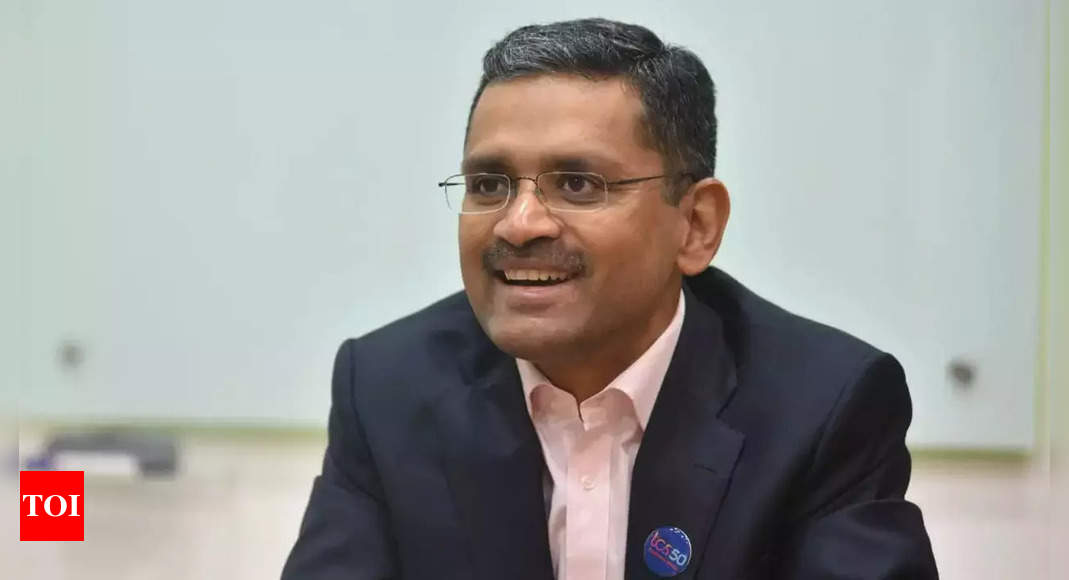
BENGALURU: TCS had a strong double-digit revenue growth in the first quarter – 15.5% in constant currency. In an exclusive interaction with TOI, CEO & MD Rajesh Gopinathan said the growth is giving the company the comfort needed to undertake long-term structural changes, including a major initiative to position TCS as a growth & transformation partner to global customers, and not just a cost-optimisation partner. Excerpts:
You had a mid-teens growth rate in June quarter. That looks good. But the stock market seems to have expected more…
Internally, we’re quite happy. Anything in double-digits is structurally sound. The retention is high, people are happy, there are growth opportunities internally, and we are able to continuously add to the bottom of the pyramid, hire freshers, and they also see visibility for growth. That’s what I mean by saying structurally sound. If you start getting down below 10%, your overall pyramid structure goes for a toss, and impacts your ability to maintain your talent by giving promotions, meet their aspirations.
If you’re above 10-11% growth rate, you can also maintain a long-term strategy, allow other aspects of the strategic agenda to kick in. From a market perspective, growth is the single biggest element. The market doesn’t necessarily have a 5-8 year view, and rightly so. We need to manage both sides of stakeholders.
The structural change, can you explain that?
The general perception in India and in the media is that we offer cost-optimisation. That is a very valuable aspect of what we offer to customers – globally, if anybody talks about cost-optimisation, it is almost inevitable that they will have a very high ranking for TCS, saying they are guys that we need to talk to before we make up our mind. But, at all points in time, customers also have, what we call, a growth and transformation agenda. The transformation might be cost structure transformation, or it might be their own business transformation, getting into new segments, getting into new capabilities, etc. And what we have been trying to do in the last five years is to ensure that we balance our offering – build for ‘growth and transformation’ the same capability, mind share and positioning that we have on cost-optimisation. So, think of us originally being a single-engine aircraft, now we want to be a twin-engine aircraft.
Do you see your customers worrying about recession?
Overall, the momentum continues to be quite strong. The discussion about recessionary concerns is top of mind for executives everywhere. While senior executives are talking about it, they are not indicating that they are thinking about cutting budgets. But that’s also expected because the budgetary cycle will kick in three months from now. So, whether the impact will come on budgets will be known only later this year. For us, we will only pick it up next year because they will go through the budgetary cycles and they will start talking about it next year.
With tech playing such an important role now in transformation, assuming there is a recession, would tech budget cuts be less severe than previously?
Yes and no. Let me put it this way, technology’s acceptance as a critical change driver is very high and whatever doubts were there, during the pandemic all of that has been wiped out. So, the technology agenda is front and centre at the CEO, CXO levels. That will help on a relative basis when they cut technology budgets. But tech too will get impacted.
If you look at the last two recessions, the financial crisis and the pandemic, the immediate reaction was to turn off the tap because it happened suddenly. Having turned off the tap and gotten the cash burn situation to a manageable level, then a more rational decision-making kicked in and we bounced nicely. Now, we have a unique situation. We have inflation, and typically, whenever there is such a big inflation and there is a recessionary threat, wages are the first to take the brunt. But wage increases are still there, rate increases (for contracts) are there, everything is moving up because there is that extra support that has been pumped into the economy. So, we’re kind of eating into that right now. Once that cushion goes, then the rubber will start to really hit the road.
How do you foresee attrition levels playing out?
In 2020, when the pandemic happened, we stood up and said we are going to honour all the recruitment that we did. But many in the industry did not follow that strategy. Thousands of people were let go of. In 2021, when the demand spike started happening, the hole that was created on the supply side in 2020 started biting.
That demand side, however, is starting to dry up very fast. Freshers hired by our industry last year are reaching the point where they will become productive. So, both the supply side and the demand side drivers are coming under control. By the time you get through to September and beyond, we will be in a very different environment.
FOLLOW US ON SOCIAL MEDIA
FacebookTwitterInstagramKOO APPYOUTUBE
[ad_2]
Source link